
No Municipal Court Serves St. Joseph County Cities
St. Joseph County is home to two incorporated cities, Sturgis and Three Rivers, and neither one has its own court. The county's local government directory confirms as much, and Michigan hands limited criminal and traffic matters to the district court anyway. The 3B District Court criminal division says it plainly: its jurisdiction covers every city, township, and village in the county. So municipal court warrant is a category of case here, not an address you can visit. A Sturgis ticket, a Three Rivers ordinance citation, and a misdemeanor arising from a city police investigation all live in the same county court file. The city name may sit at the top of the citation, but the judge who signs the warrant sits in Centreville.
Note: City police investigate cases and serve process, but the record belongs to the county court that issued the order.
How Municipal Court Warrants Work
In counties that run their own city courts, each municipal bench issues warrants for ordinance, traffic, and failure-to-appear matters, and many of those orders never reach a sheriff's list. St. Joseph County works differently. There is no city court here, so the county court signs the order and the file becomes a district or circuit record the moment it is entered. Two events start a warrant. After a qualifying failure to appear, and generally once 48 hours have passed, a judge issues a bench warrant under MCR 6.103. Or a judge or magistrate signs an arrest warrant after finding probable cause. Michigan's rules use the term bench warrant, and county sources describe no separate capias program. One counter answers for both Sturgis and Three Rivers, and after an arrest the same court handles arraignment, bond, and the next setting.
Sturgis and Three Rivers Police in St. Joseph County
Sturgis Public Safety fields a police division with 24-hour coverage. Its public directory puts the department at 122 N. Nottawa St., with City Hall next door at 130 N. Nottawa St. Note the difference: the afternoon public window keeps certain hours, while patrol runs around the clock. The department posts no warrant list and no portal. Over in St. Joseph County's other city, Three Rivers Police works from 333 W. Michigan Ave., the same building as City Hall. General questions go to the department line; crime and animal complaints route through central dispatch. Three Rivers publishes a report and FOIA process but no warrant lookup.
Three Rivers Police Department
333 W. Michigan Ave.
Three Rivers, MI 49093
(269) 278-1235
Municipal Courts Across St. Joseph County
City cases do not stay with the city in St. Joseph County. This table shows which county office keeps each kind of file.
| Case Source | Office That Holds It | What It Covers | Records Contact |
|---|---|---|---|
| Sturgis citations and charges | 3B District Court | Traffic, ordinance, misdemeanor, felony arraignment | (269) 467-5627 |
| Three Rivers citations and charges | 3B District Court | Traffic, ordinance, misdemeanor, felony arraignment | (269) 467-5627 |
| Felony files after bindover | County Clerk, 45th Circuit Court Division | Felony case files, orders, fines, costs | (269) 467-5626 |
| Juvenile and family matters | Family Court Juvenile Division, Three Rivers | Delinquency and family matters, not public online | (269) 467-5561 |
Living inside a city limit does not create a local court file.
How City Ordinance Warrants Route to 3B District Court
Most ordinance tickets in St. Joseph County start as a civil infraction or a misdemeanor citation. Miss the date or fail to answer, and the court can issue a bench warrant. The matter then stays with the district court until it is resolved.
- Read the citation for the court name and the case or citation number.
- Search the case in MiCOURT Case Search if that case type is eligible for public display.
- Call the 3B District Court at (269) 467-5627 and ask whether the docket shows a default, a bench warrant, or a new date.
- If the case was bound over as a felony, ask the County Clerk circuit division at (269) 467-5626.
Paying is not the same as clearing. Only the court can confirm a warrant came off the docket. The county local government directory shows the cities and villages that feed cases into the St. Joseph County court system.
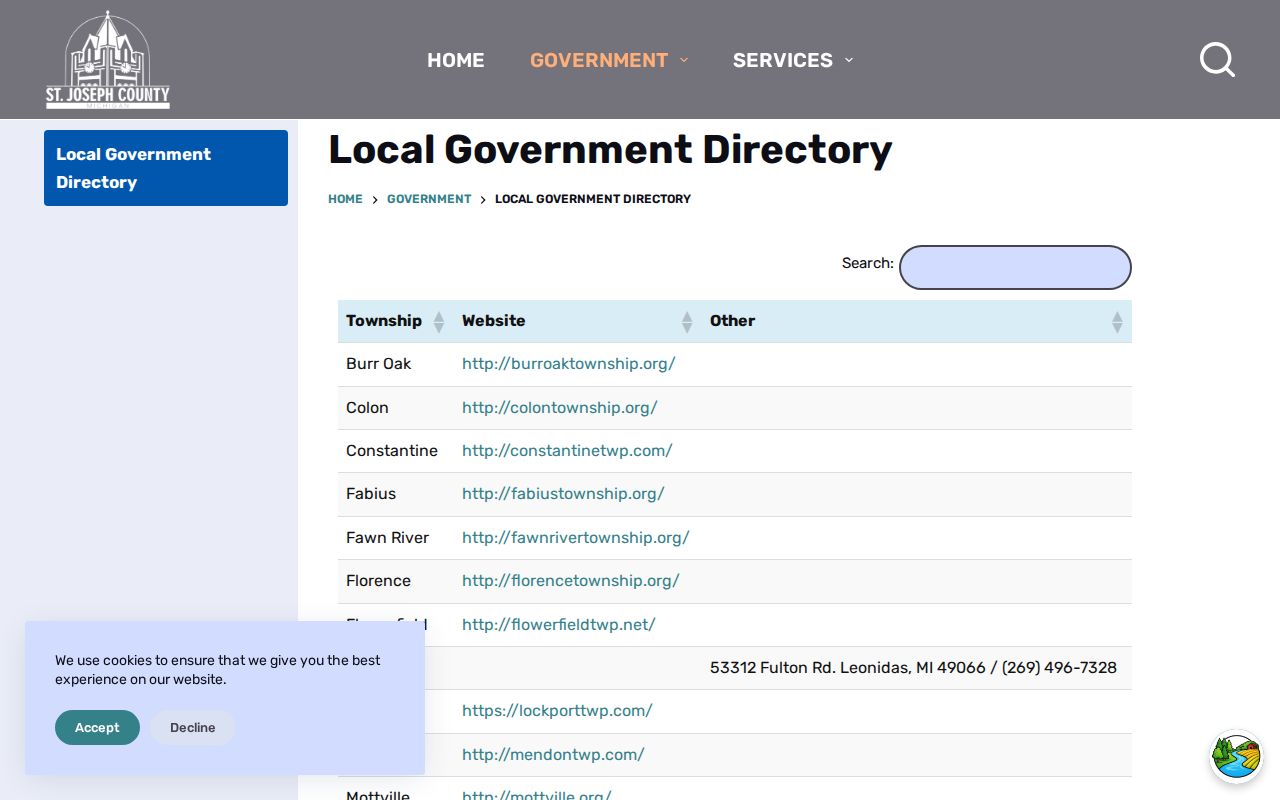
None of those city units runs a court. In St. Joseph County, the district court file is the record that answers a city warrant question.
St. Joseph County Municipal Warrant Checks
With no city court, every St. Joseph County warrant check runs through the county court and the statewide case index. Gather the full legal name, any prior names, and the date of birth. Keep the case or citation number handy too.
- Open MiCOURT Case Search and try the name first, then the case number.
- Call or visit the 3B District Court counter and ask about the specific case.
- Use the 3B copy and file review request when you need the paper record.
- Contact the County Clerk circuit division for a felony file.
- Call the sheriff's general line at (269) 467-9045 only for law-enforcement routing.
Neither St. Joseph County city here runs a warrant lookup, so a police report request answers report questions only.
Key Rules:
Michigan FOIA, MCL 15.231 covers county and city executive offices, including policies and administrative records.
Administrative Order 2014-01J governs local court access under MCR 8.119, and the county states that court records are not FOIA records.
The Sturgis Public Safety page shows what the department publishes. A warrant lookup is not one of its St. Joseph County services.
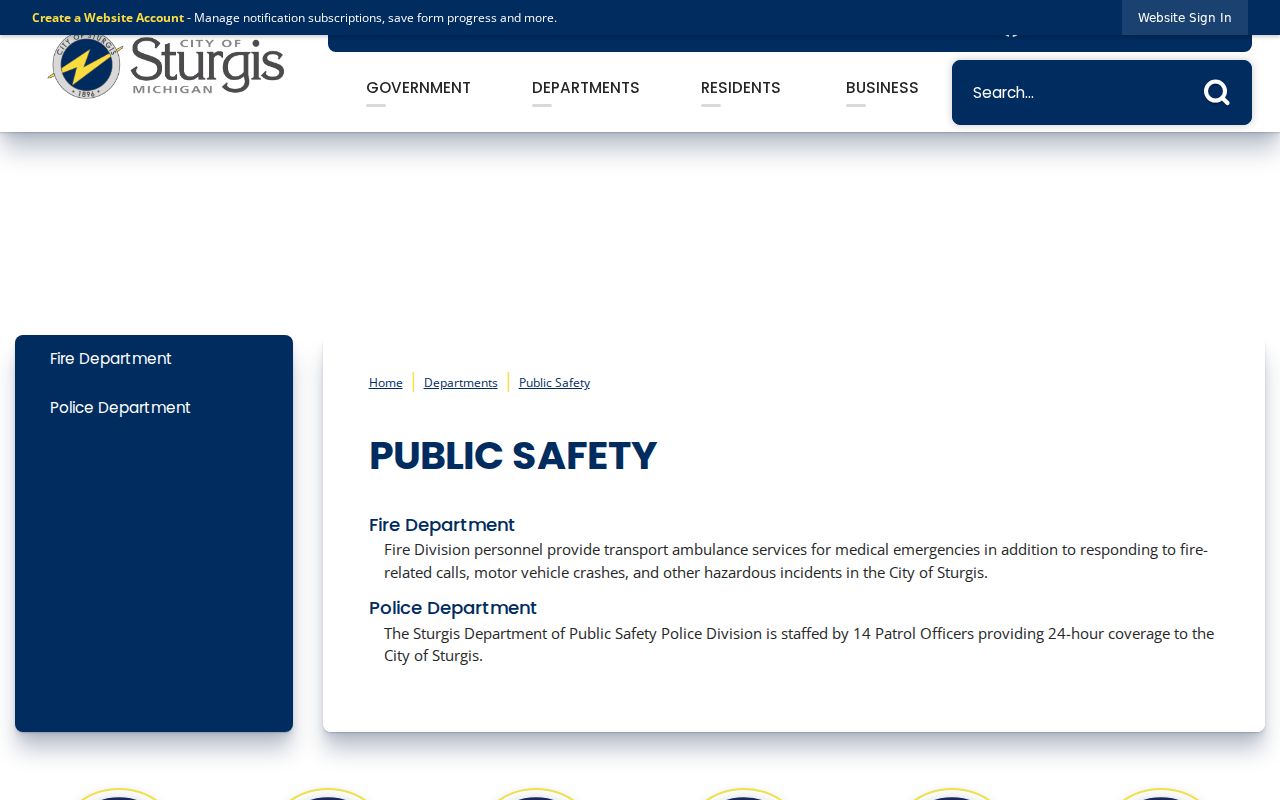
Check it for St. Joseph County coverage hours and contacts, then bring the case question to the county court.
Police Reports Are Not Warrant Dockets
Three Rivers Police sorts its records into two paths. Accident reports come straight from the department, while other reports go through FOIA with a five-working-day response. Sturgis handles requests through its own city process. Neither path pulls up a court docket, so a clean answer on a report tells you nothing about a warrant. The reverse holds too. A warrant can sit on file without any police report the public can obtain, especially in an old case or one where another agency holds the paper. Match the question to the office that actually keeps the record.
Note: A five-day records response is not a same-day status check and should never be treated as a warrant confirmation.
Municipal Warrants: What They Show
A district court file in St. Joseph County carries the case number, the parties, the charge or ordinance, and the issuing judge or magistrate. You will also find the bond amount and the entries marking each step. Read the status entry first.
| Warrant / Case Number | Year, number, and case type as the court indexes them, for example 24-1234-FY |
|---|---|
| Charge or Ordinance | The city ordinance or criminal charge that opened the case |
| Issuing Court | 3B District Court for district matters, 45th Circuit Court for felony files |
| Bond or Fine | The amount the judge set, with any conditions attached to it |
| Status Entries | Default, bench warrant, recall, quash, service, or a new hearing date |
| Serving Agency | The sheriff or city police department named on the officer's return |
A bench-warrant entry means the order was issued in St. Joseph County. A recall or quash entry means the court withdrew it. A payment receipt is neither.
City FOIA Versus County Warrant Files
St. Joseph County splits its public records between two systems, and knowing the split saves a wasted request. Cities answer for their own police reports, policies, and administrative files. A city clerk cannot read a court docket back to you. Court records travel a separate route. Michigan's Freedom of Information Act governs county and city executive offices, while MCR 8.119 governs the courts. The local court access order says it plainly: court records are not FOIA records. So route each request to the office that holds it. Police report requests go to the city. Case-file requests go to the court that issued the order. Policy questions for the sheriff go through the county FOIA process.
Clearing a Municipal Court Warrant
Clearing a St. Joseph County warrant means the issuing court enters a new status on the docket. A lawyer usually helps. So does an appearance, and sometimes a payment. The order of those steps depends on the charge.
- Confirm the case and the court with the counter that holds the file.
- Talk to a licensed Michigan attorney about a recall, a new date, or a voluntary appearance.
- Ask the court what it requires: an appearance, a bond, a payment, or a motion.
- Follow through, then ask the court to confirm the docket entry that shows the warrant is recalled.
Warning: Ignoring a city case does not make it disappear. A missed date can add a bench warrant and can affect a driver's license renewal.
Need the wider picture? The county warrant records overview maps the courts, and the county most wanted page covers St. Joseph County's published list.